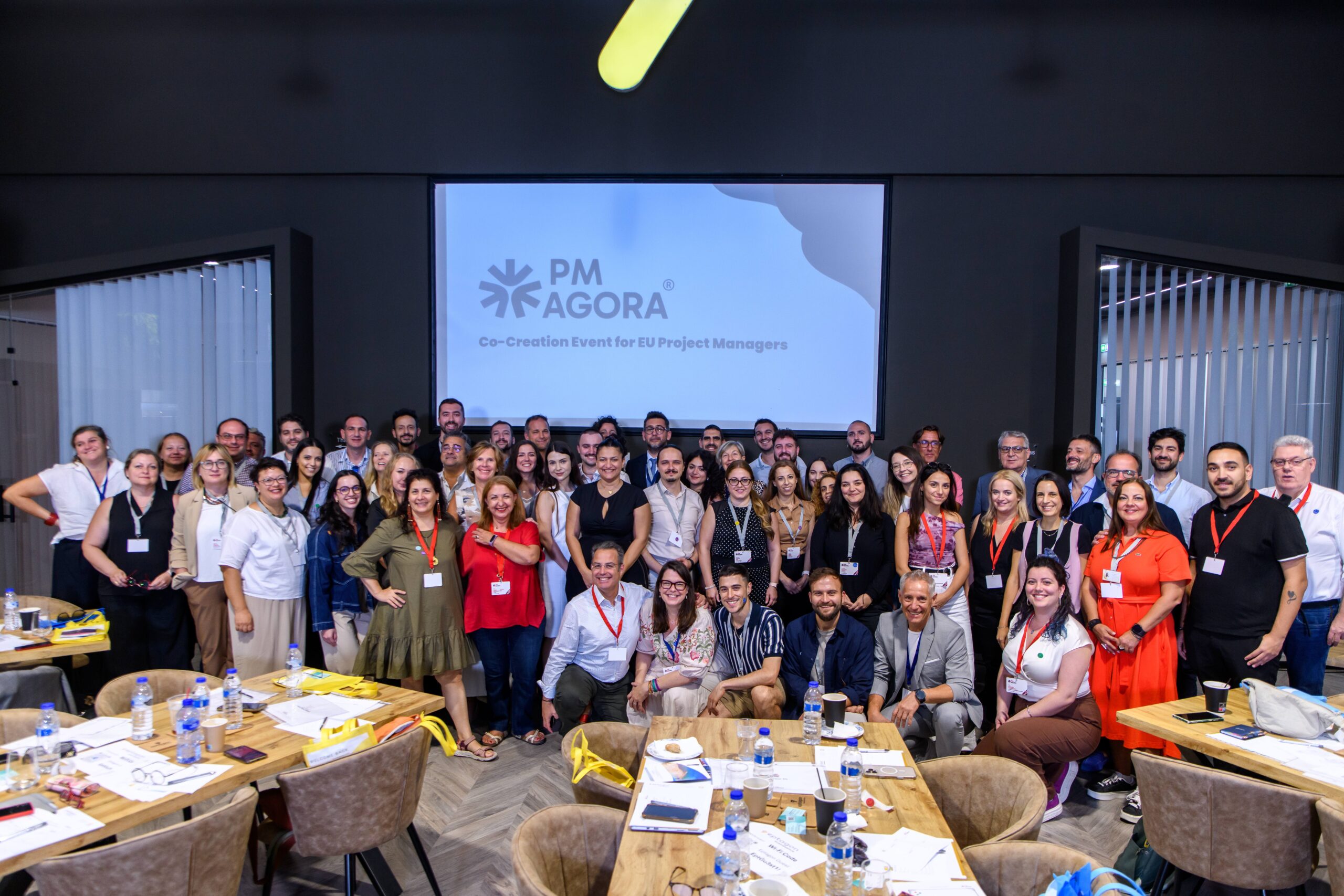
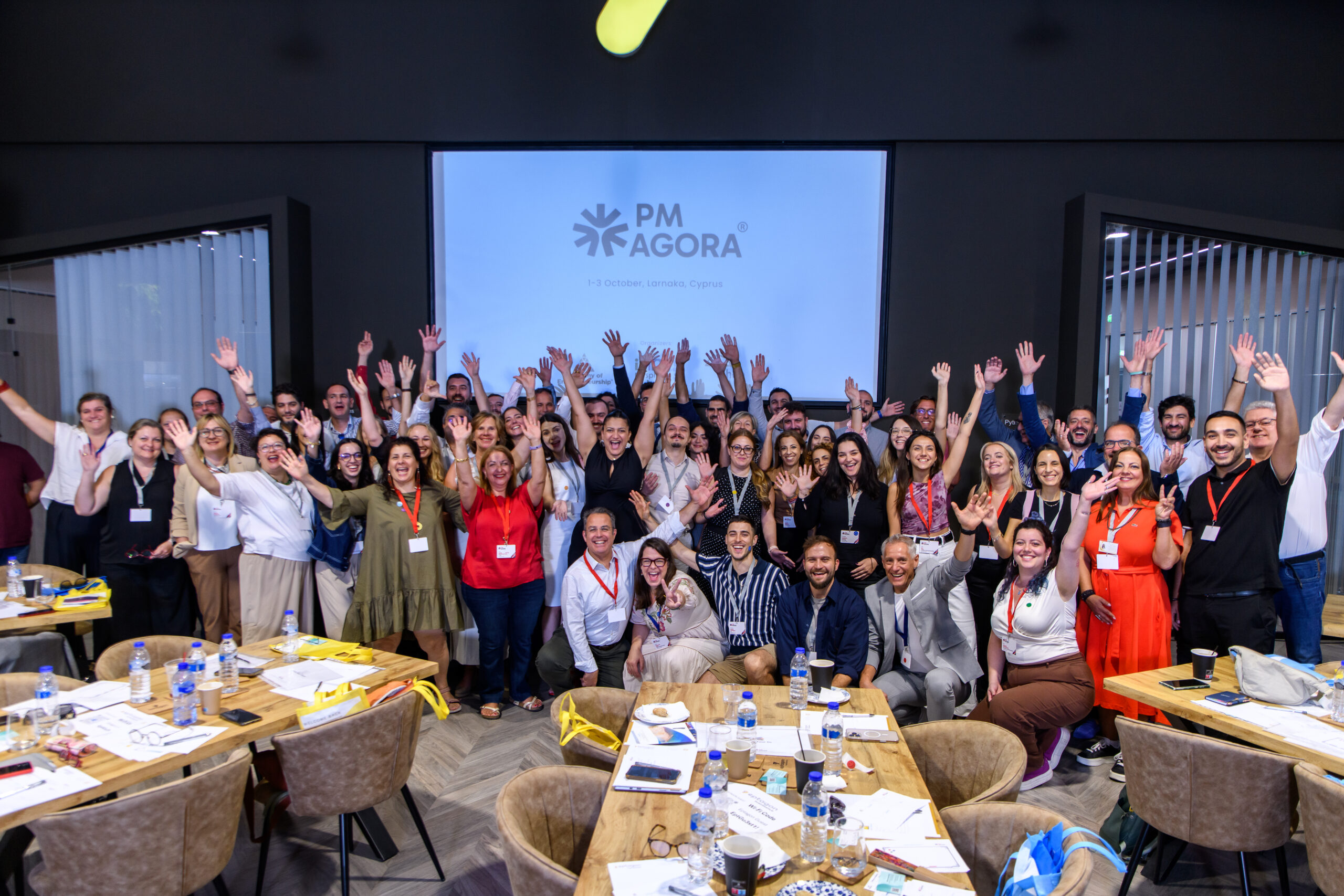
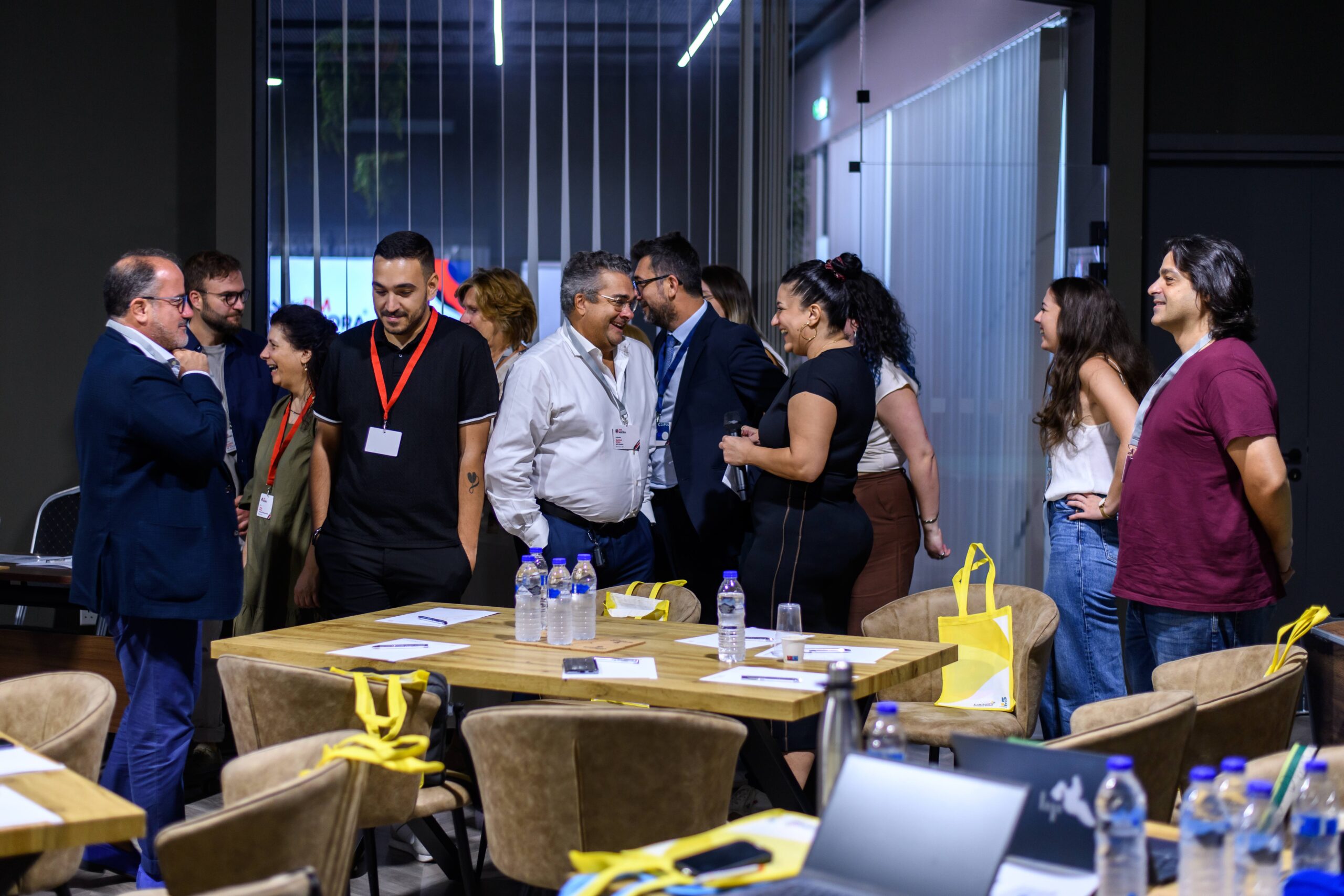
Before diving into the two full days of collaborative work, the PM AGORA community gathered for a gentle start: the Prelude — a relaxed, informal evening that set the tone for what was to come.
Hosted by our amazing partners at InnoEUsphere, this welcome gathering took place at the beautiful LIV Mackenzie rooftop, overlooking the serene coastline of Larnaka. With the sea breeze in the air, good music in the background, and the glow of the city just before sunset, it was the perfect atmosphere to break the ice and unwind.
Free from the pressure of deadlines or session schedules, we had the chance to get to know each other as people — not just professionals. It was here, over laughs and first conversations, that the first real connections were made. The kind that would later turn into workshop collaborations, shared reflections, and new partnerships.
The Prelude reminded us that community doesn’t start in a meeting room. It begins in trust, curiosity, and the simple act of showing up — together.
The first full day of PM AGORA 2025 began with a warm welcome from the Commissioner for Gender Equality of the Republic of Cyprus, Ms. Josie Christodoulou, setting a strong institutional tone for what would unfold — an honest, participatory journey through the evolving landscape of EU project work.
The three co-founders of PM AGORA — Christina Achilleos, Alessandro Carbone, and Andreas Stefanidis — then took the floor, not only to officially open the event but to remind us all of its purpose: to build a real community of professionals with shared goals, grounded in transparency, dialogue, and a commitment to doing this work better — together.
The Energy Openers that followed — led by Christina and Alessandro helped us drop our formalities, connect with one another beyond job titles, and set the tone for an atmosphere of co-creation and openness.
AI Grant Writing: Rethinking the Process
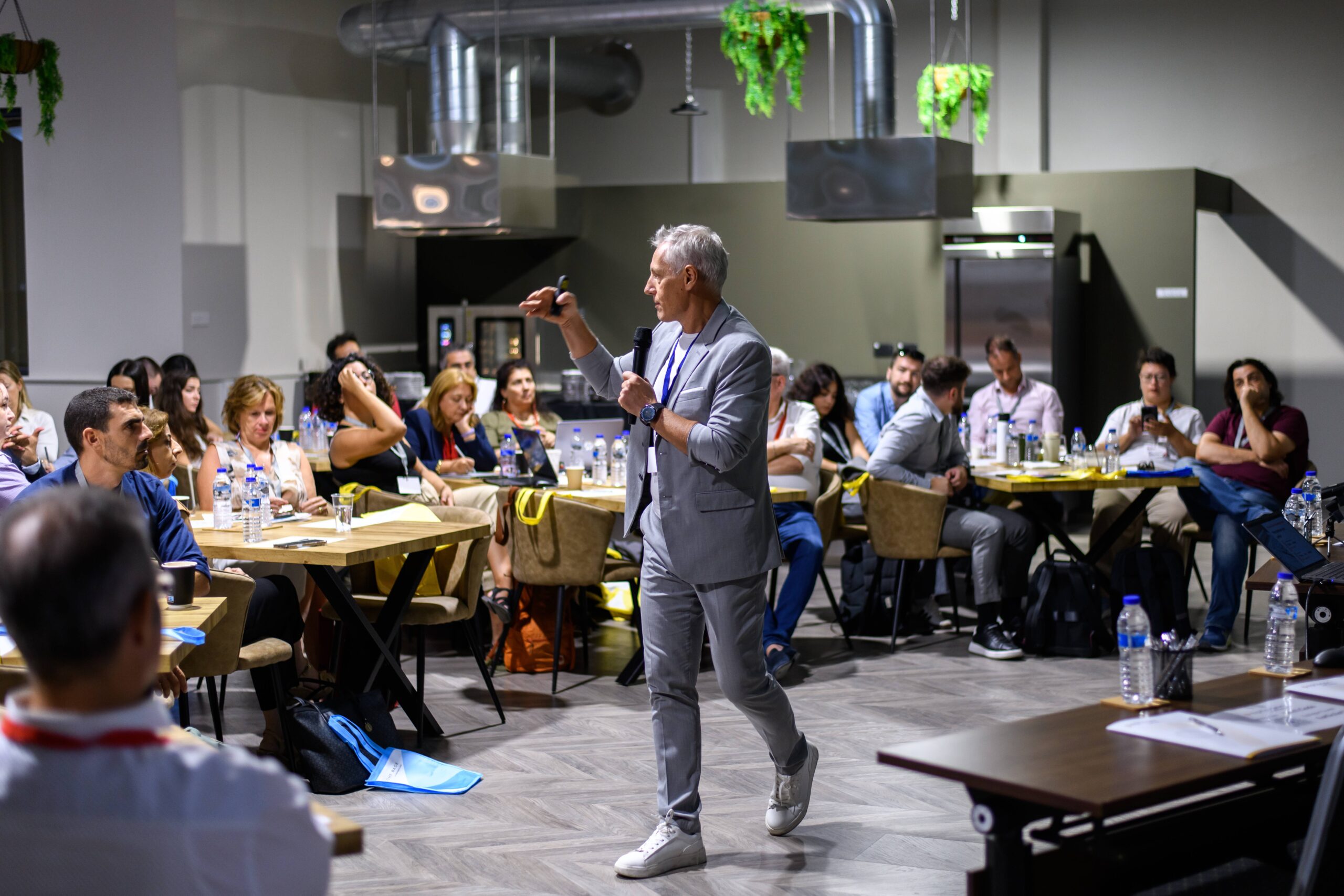
In the day’s first workshop, Igor Razbornik took us straight into one of the hottest topics in the field: AI-powered grant writing. But rather than promoting AI as a shortcut, he invited us to reflect on the value of mentorship, prototyping, and early-stage feedback. His insights were backed by data and practical strategies for changing that reality. The workshop wasn’t about tools, but about culture: slowing down, structuring our thinking, and using AI with intention.
Think Positive, Work Smart: The Human Factor
Next, Marianella Parra brought a much-needed focus on wellbeing. Her session challenged us to rethink how we work — not through fluffy affirmations, but through positive psychology, practical methods, and lean time-management tools that help teams stay focused and avoid burnout. It was a space to breathe, reflect, and realign with why we do this work in the first place.
Parallel Labs: From Policy to Practice
In the afternoon, the event shifted into Interactive Labs — four breakout sessions that allowed participants to dive deep into specific thematic areas:
Each lab was hands-on, with small group discussions, case applications, and participant interaction — a refreshing change from passive listening.
The day closed with plenary reflections, group sharing, and a lighthearted but sharp Kahoot Quiz for EU Project Managers, hosted by Alessandro — because learning can (and should) be fun, too.
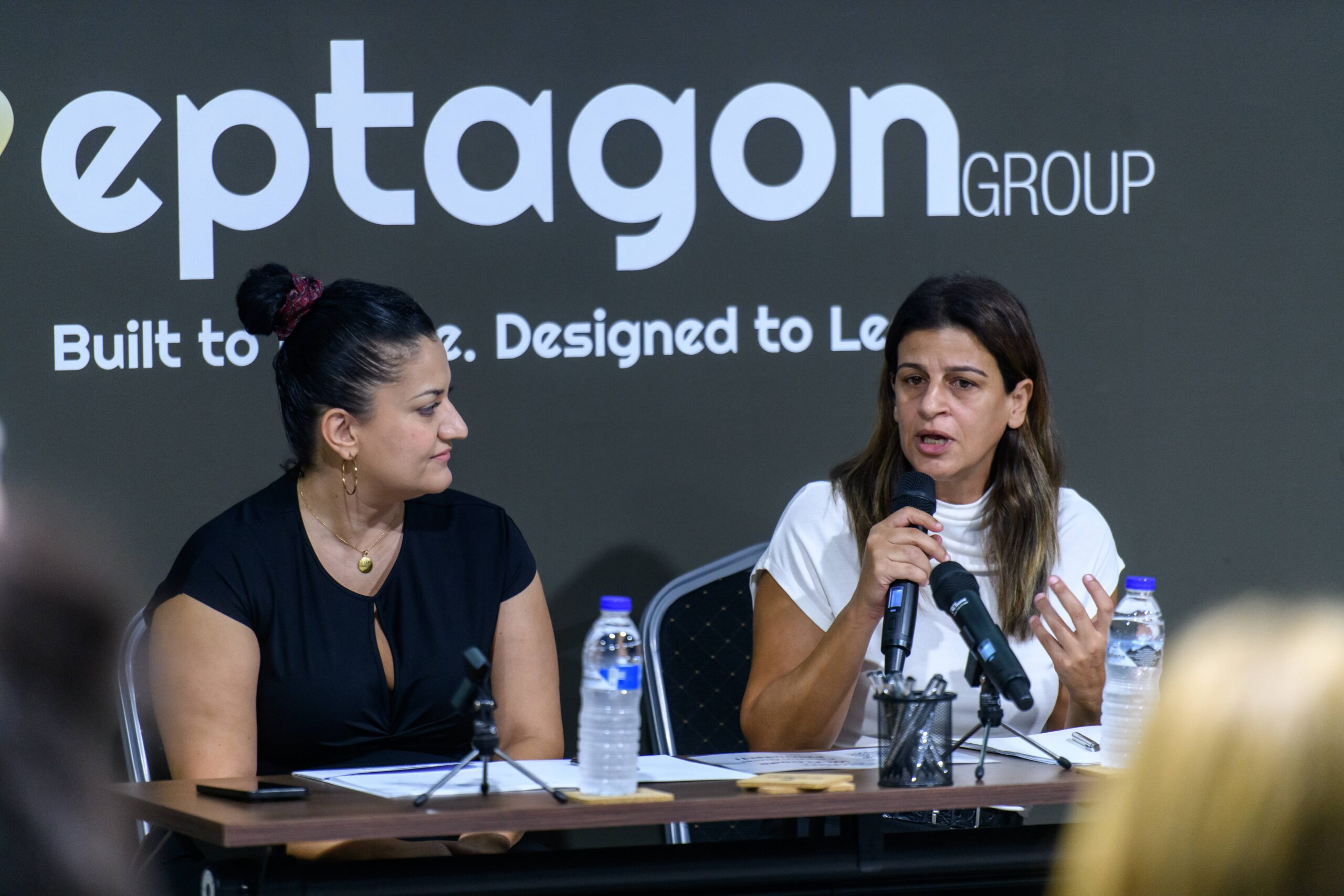
If the first day of PM AGORA was about grounding ourselves — in knowledge, community, and real challenges — the second day was about elevation. It was a day of strategy, shared responsibility, and envisioning the road ahead for EU project professionals.
The morning opened with a welcome from Christina Achilleos and Alessandro Carbone, setting a reflective and energised tone for what was to come. The room was already buzzing from Day 1 — but this time, the conversations shifted toward system-level thinking and how each of us can play a role in shaping the future of our field.
From Inclusion to Practical Tools: Morning Workshops
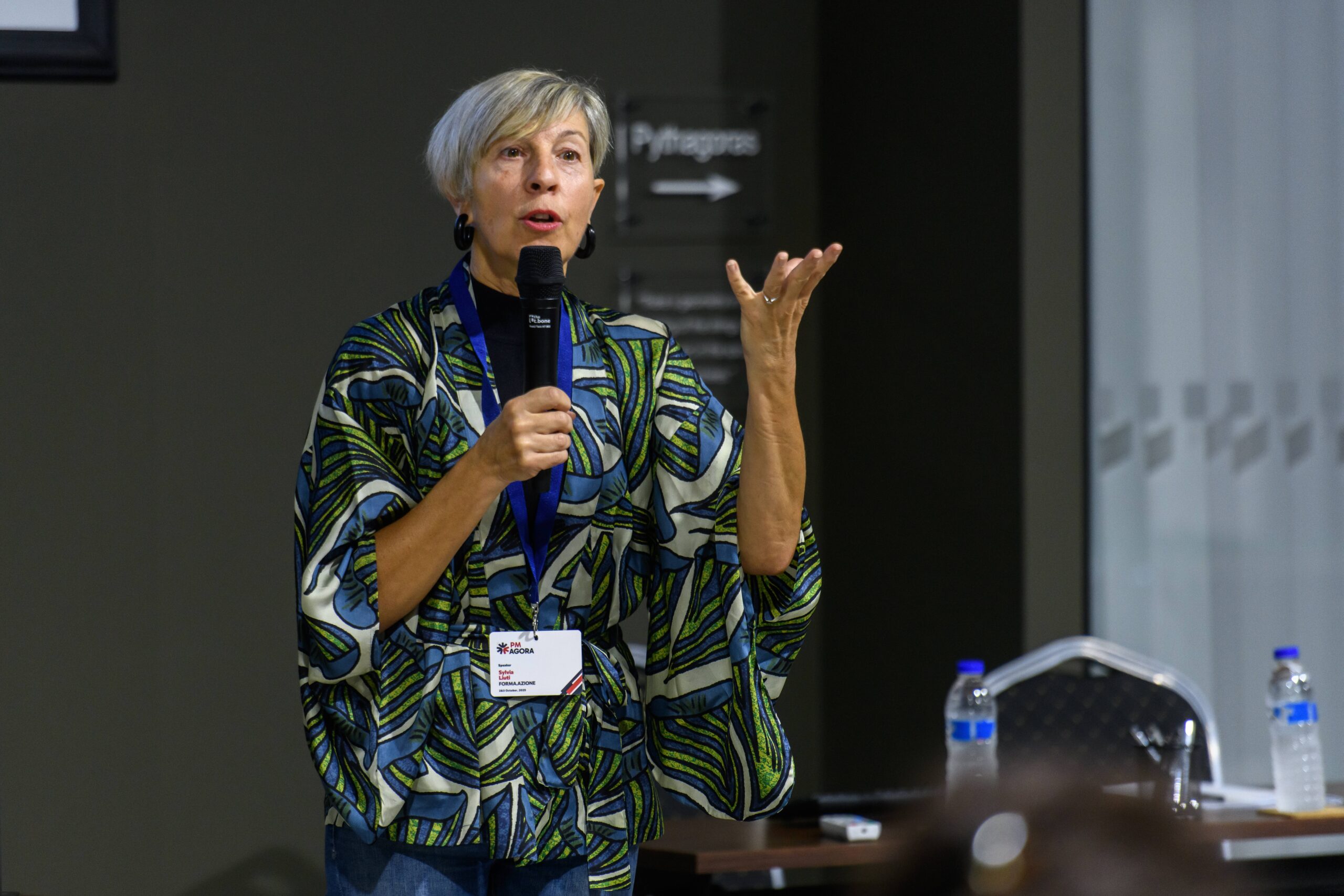
The first workshop, led by Sylvia Liuti (FormAzione), explored how we can genuinely engage stakeholders while embedding gender mainstreaming in all phases of project management. Far from a checklist approach, Sylvia’s session offered practical tools and frameworks to foster real, balanced cooperation — built on empathy, respect, and structure. Her approach positioned gender not as an “add-on,” but as a lens through which meaningful stakeholder engagement becomes possible. The group walked away with tools for mapping influence, conflict navigation, and strengthening horizontal collaboration.
Next, Kelly Diapouli (Artistic Director of Larnaka 2030) brought the conversation into the space of cultural innovation and long-term impact. Her workshop tackled a critical question: What happens after a project ends? Using examples from the Larnaka 2030 ecosystem, Kelly demonstrated how arts and culture can act as anchors for continuity, turning temporary funding into sustainable legacies. Her storytelling-based method offered participants a fresh way to think about the lifecycle of a project — not just as a funding cycle, but as a platform for ongoing impact.
A Call to Step Forward: Advocacy and Institutional Voice
The afternoon shifted into bolder territory. Leonardo Lorusso opened a crucial discussion on how EU project managers can become more than implementers — and begin to act as a recognisable collective voice in shaping the future of EU funding frameworks. His session, Building Influence, laid out the rationale and steps toward forming a representative body: how it could function, whom it could serve, and why now is the time to act. This wasn’t an abstract idea. It was an invitation.
This led naturally into the Fireside Chat and Breakout Discussions, where participants split into smaller groups to discuss:
These weren’t panels or speeches — they were working groups, where real-time reflection met collective brainstorming. The level of honesty, humility, and ambition in the room was striking.
Closing with Commitment
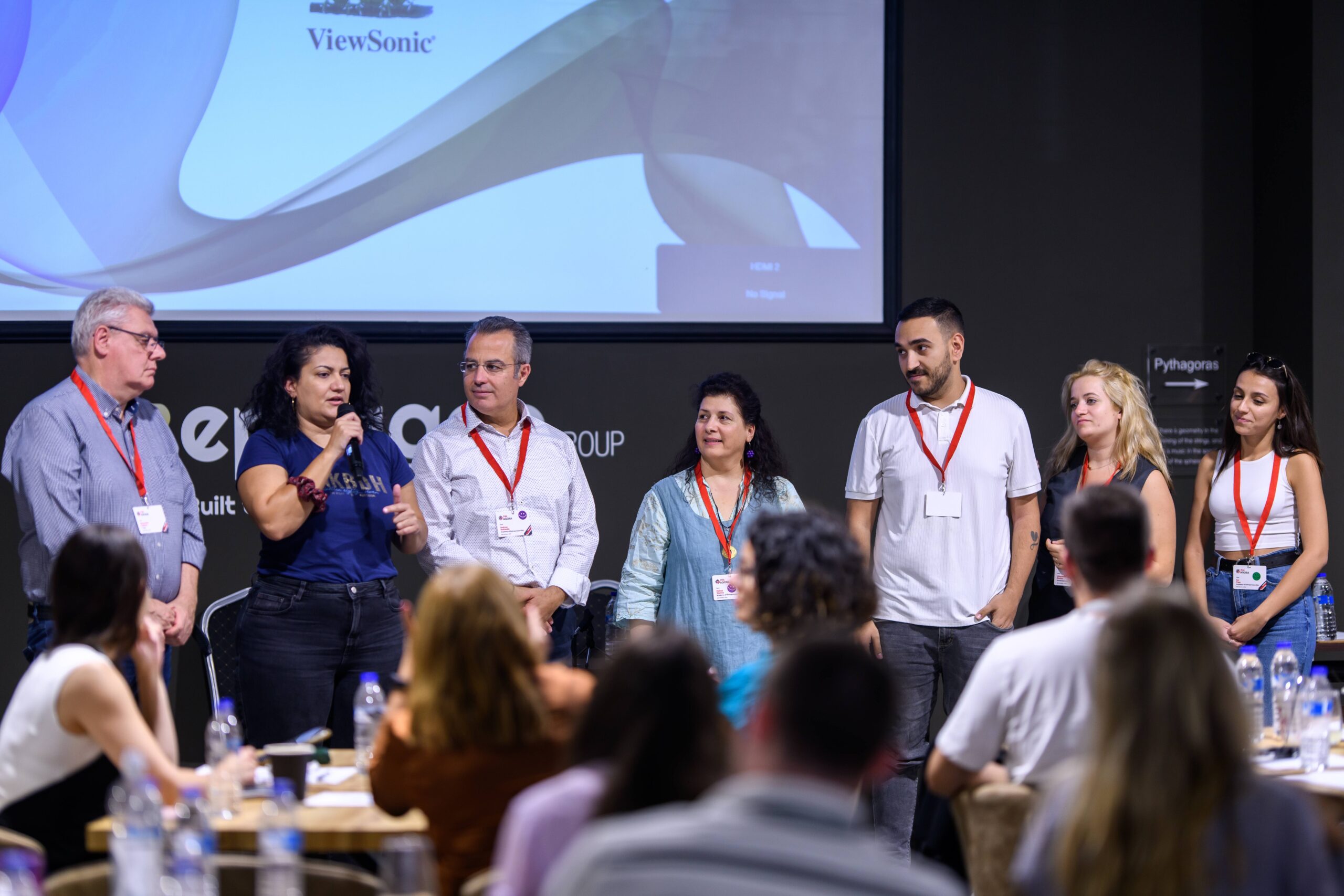
The final session, co-facilitated by Aimilia Markouizou-Gkika and Helena Papadopoulou, was an open, participatory evaluation of the two days — but it quickly turned into something more. Participants didn’t just offer feedback — they made commitments. To stay in touch. To build together. To continue shaping PM AGORA not just as an event, but as a movement.
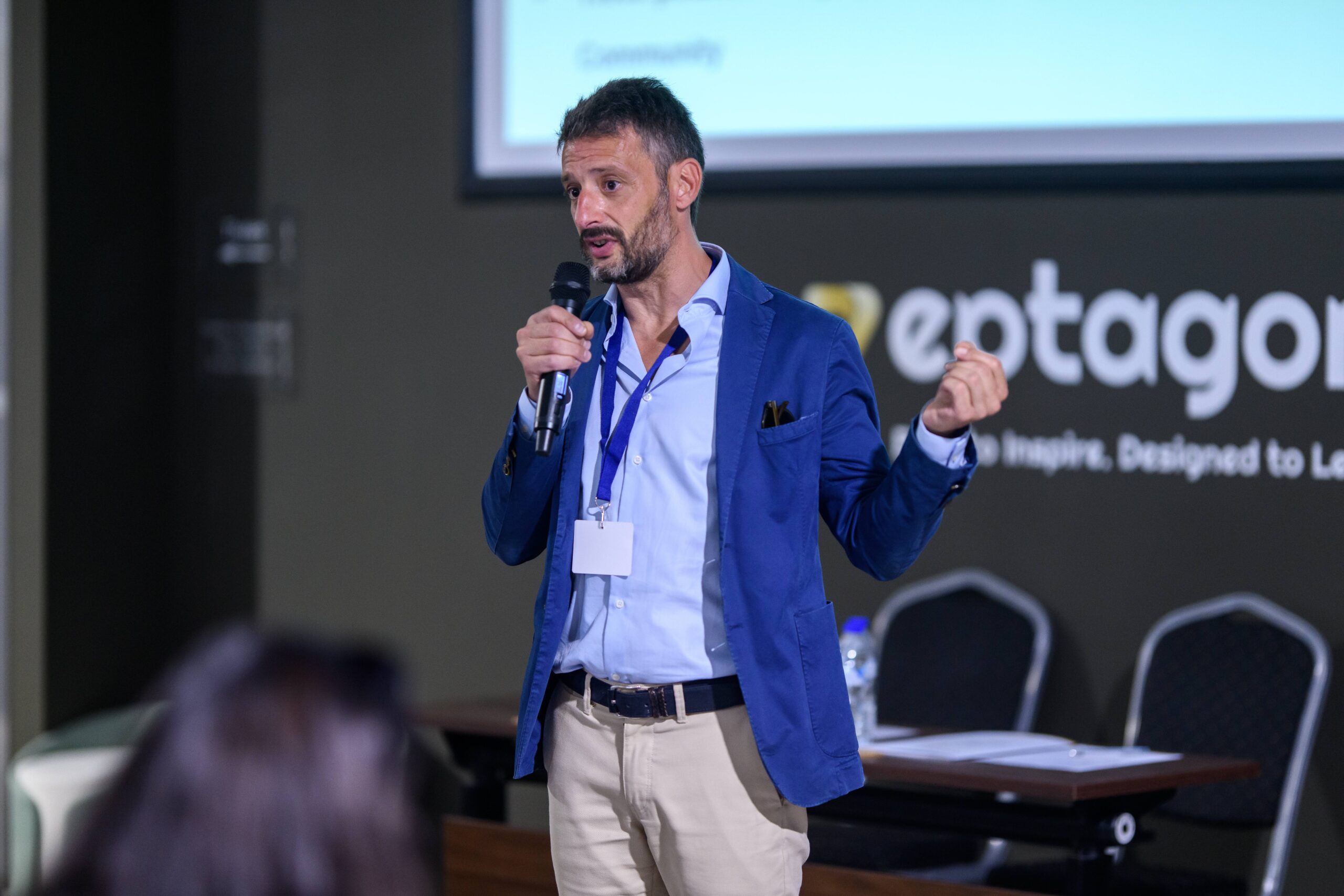
The conversations ignited in Larnaka — around innovation, advocacy, and well-being — mark just the beginning of a broader movement. The PM Agora community is now taking its next steps: working toward establishing a recognizable professional body capable of representing and advocating for EU Project Managers at institutional level.
As the organisers announced, preparations are already underway for PM Agora 2026, which will take place in Verona, Italy.
See you there!